Next · 01
Your QR code on your own designs
Upload a flyer or card you already have and place your code on it. No designer needed. Leadible stays a lead tool, not a design platform.
 ←Hire me
Brand system · 2026
Point a phone at a business card. Leadible captures the contact, researches the company and scores the fit.
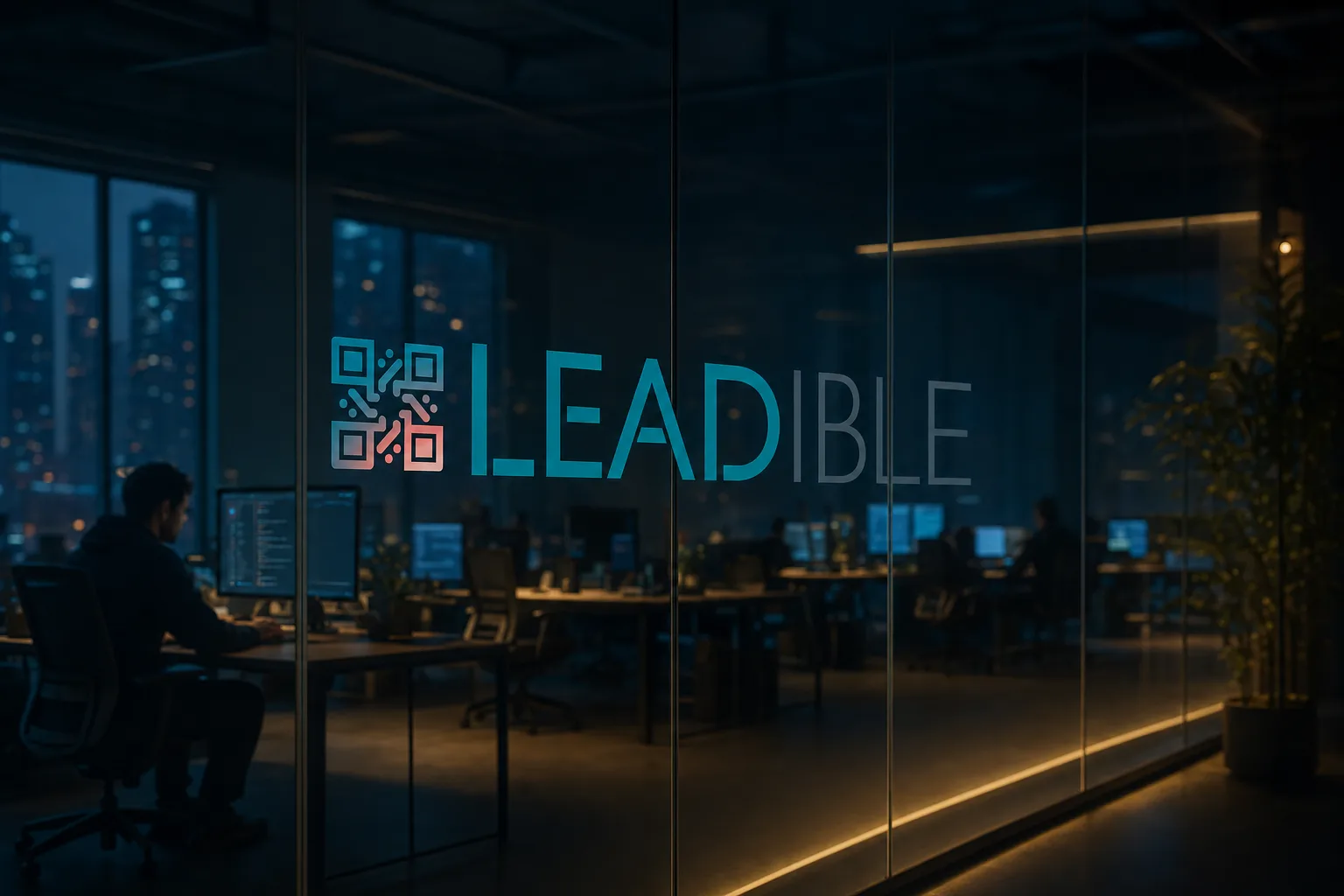
Lead capture has been around for decades, so a new brand had to stand apart from the systems reps already know. Leadible had to work with almost no instructions and show users right away who to connect with, with the data in hand to close. Research on a lead took too long, and the follow-up email needed to go out before the user left the event. The brand also had to make three ideas obvious: the convenience, the QR code that connects everything, and the payoff of closed deals.
I took Leadible from first sketch to soft launch in about two months, working alone. Market testing is underway, and we are tracking subscribers to measure results.
What we are measuring
Every design decision traces back to one question: why do leads met in person sometimes fail to turn into deals? Here is the process, step by step.
We started with who Leadible could actually reach today: salespeople, agents and founders who meet leads in person. Their language, not ours, became the brief.
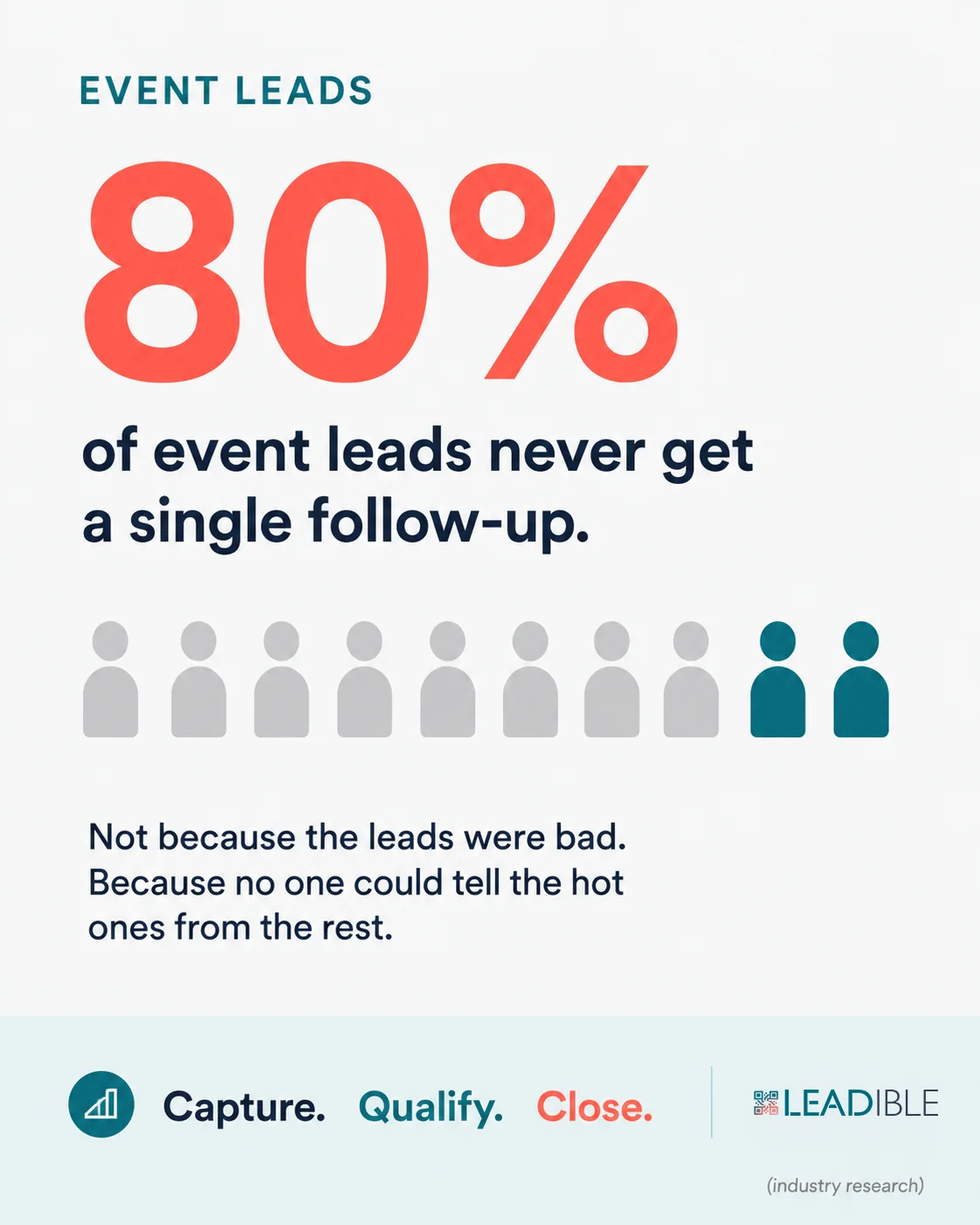
The card was never the problem. The follow-up is. You meet 30 people at an event and remember four. Every lead left in a pocket is lost revenue.
We mapped the market. Tools like Popl already capture and score event leads, mostly for teams and exhibitors. Our lane is the individual rep: deep research on the spot and a follow-up ready before they leave the room.
A Hero for the person in the room, so the voice is confident and direct. A touch of Magician for the AI moments, where the research and fit score appear.
Playfair carries the headlines and Kumbh Sans carries everything people read. Five colors each have a fixed job. The mark borrows from a QR code, and the fit-score badge is the signature visual. Every asset pulls from the same kit.
The first campaign spoke to one persona, Marcus, with one ask: start free. Video, LinkedIn and a lead magnet all point to the same place.
The QR code pulls in what you need to research and close a lead. That made the code the center of the product, so it became the center of the logo too.
Path A
Or
Either way
Ready to research and score before you decide to close.
Scan a card and Leadible saves the contact, researches the company and returns a fit score from 1 to 10. The free tier covers 5 QR codes and a digital card. Pro is $9 a month, in English and Spanish.
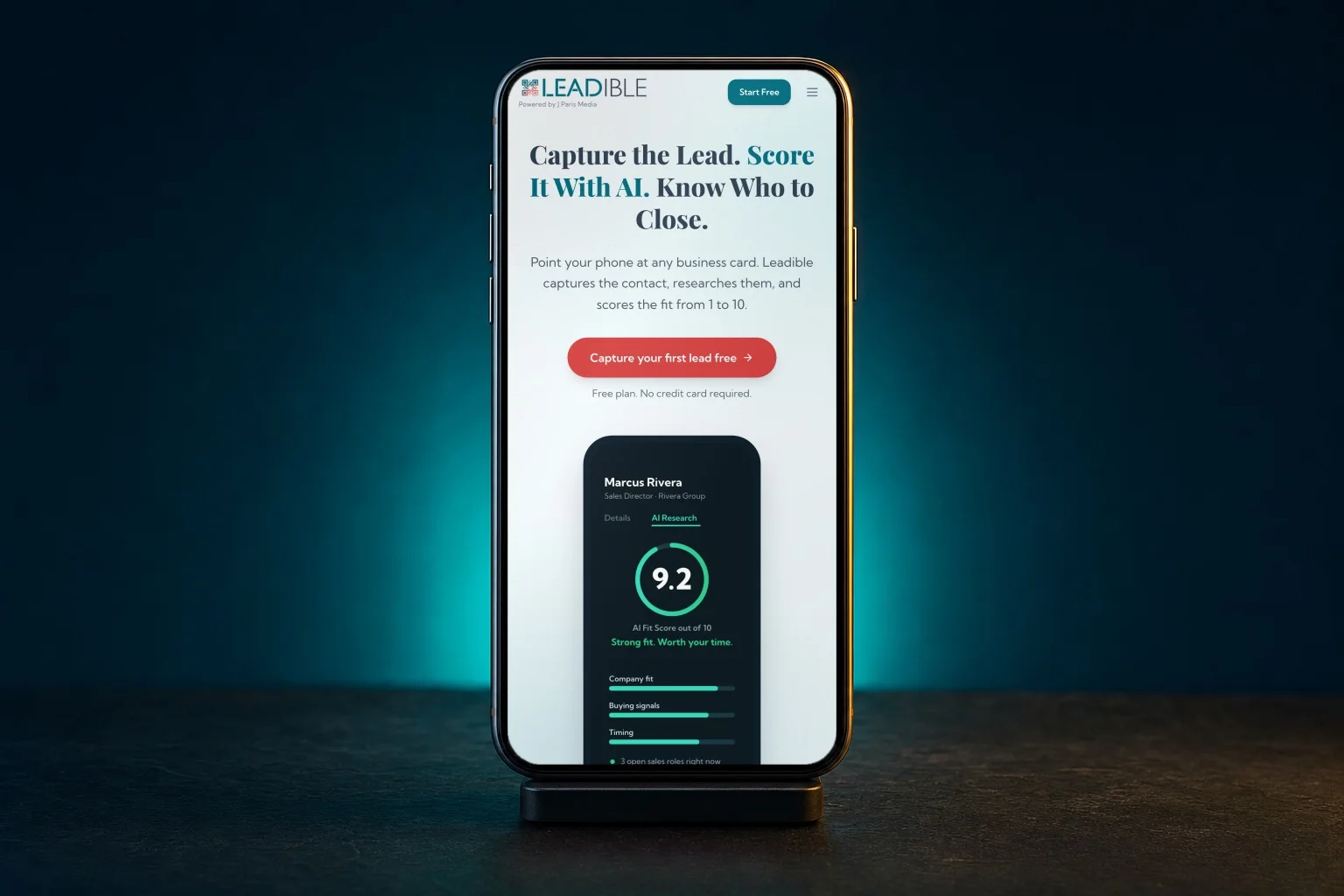
One persona, one funnel: watch, click, opt in, start free. The videos star AI-generated characters I wrote and directed in Higgsfield, cut against real screen recordings of the product.
Three posts a week, scheduled in Metricool. Carousels and infographics sit next to motion pieces I built in HyperFrames, all on the same brand kit.
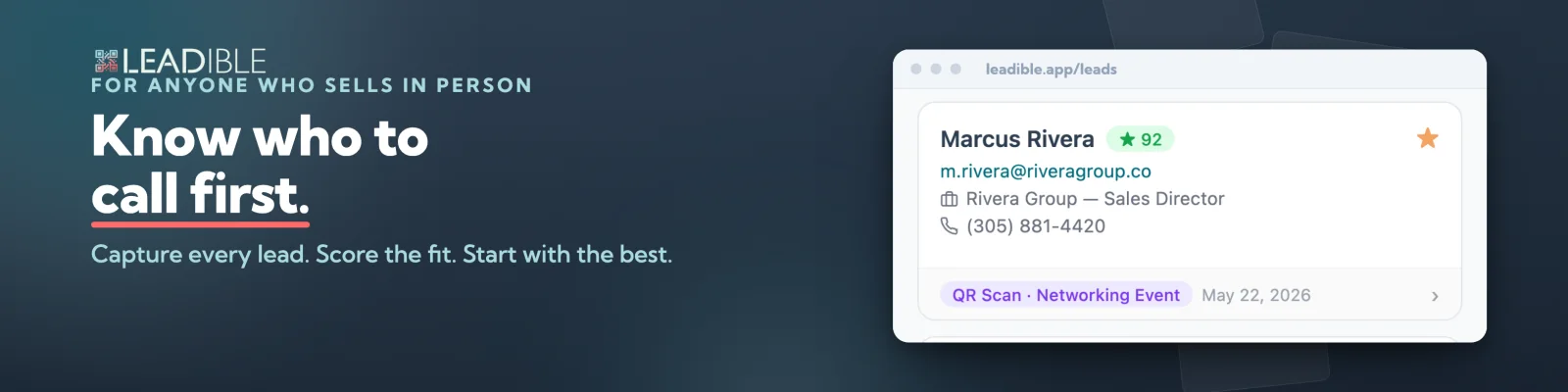
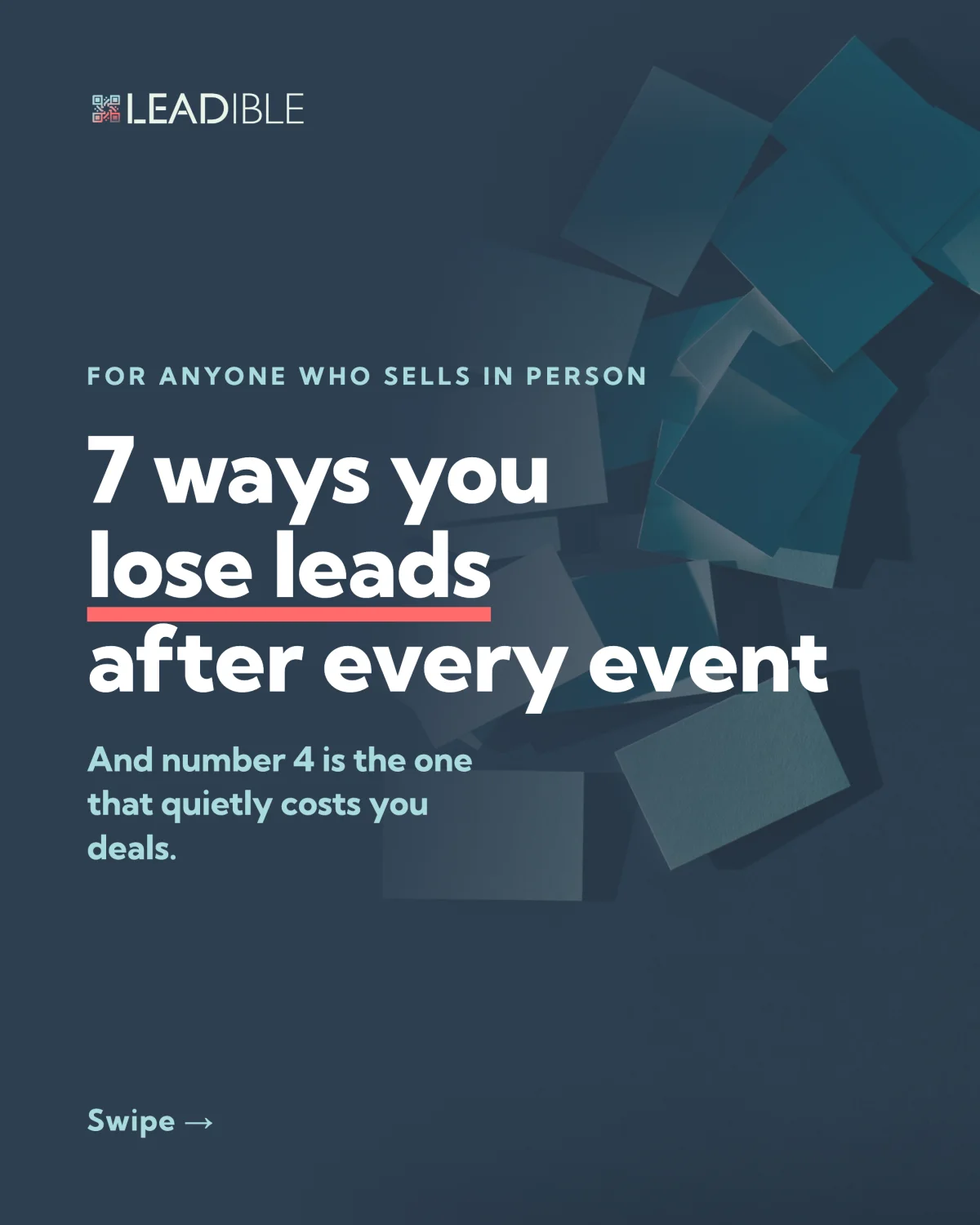
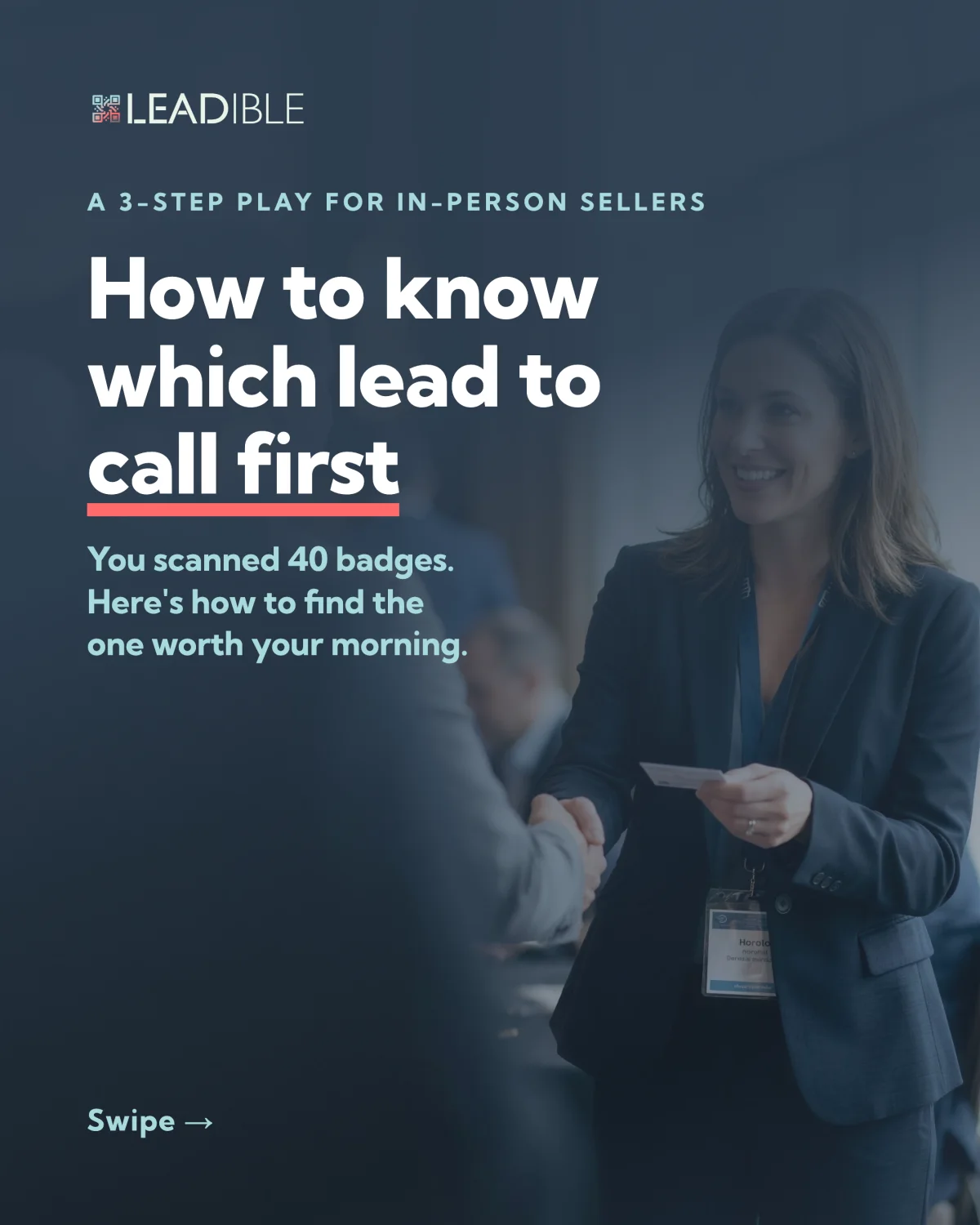
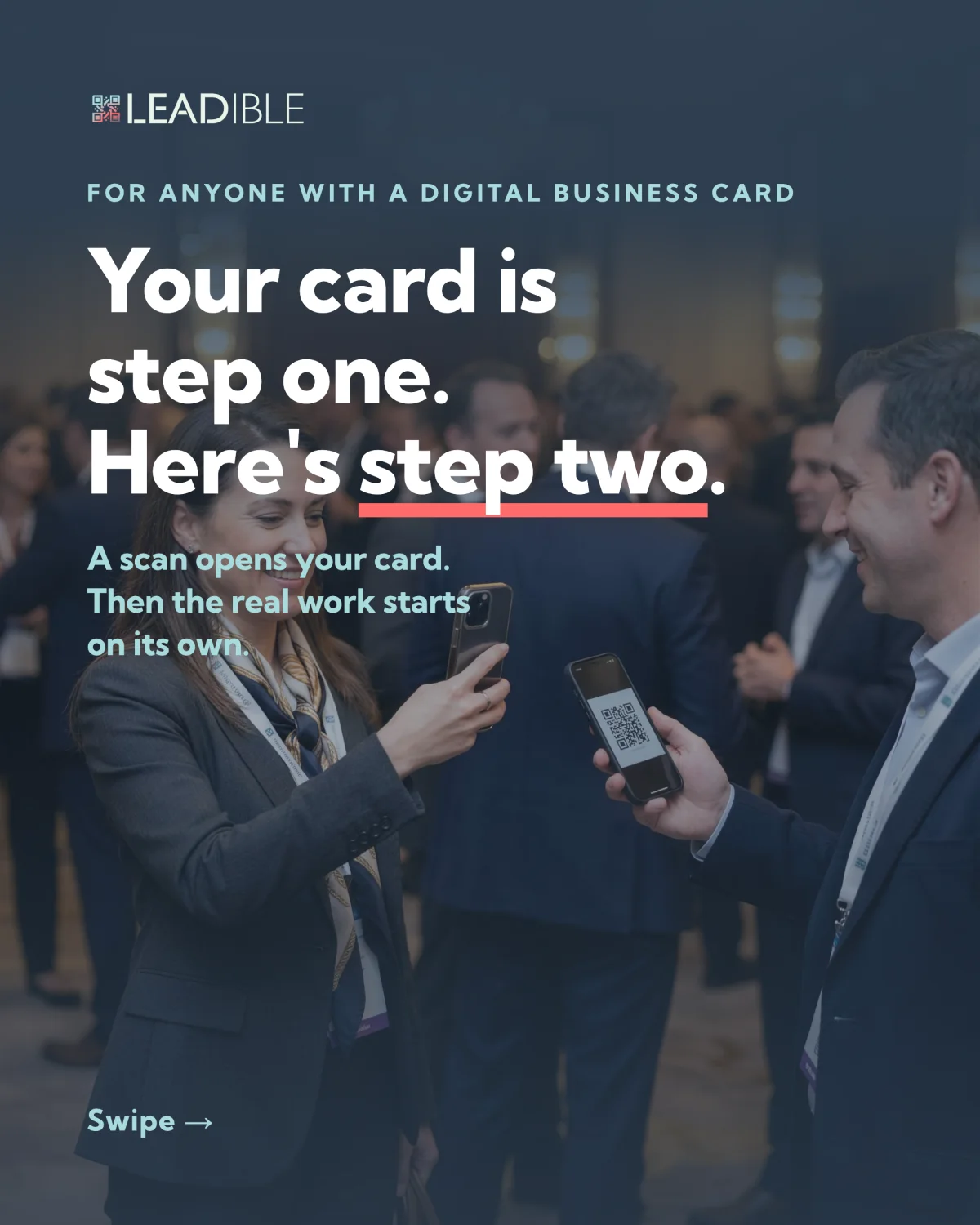
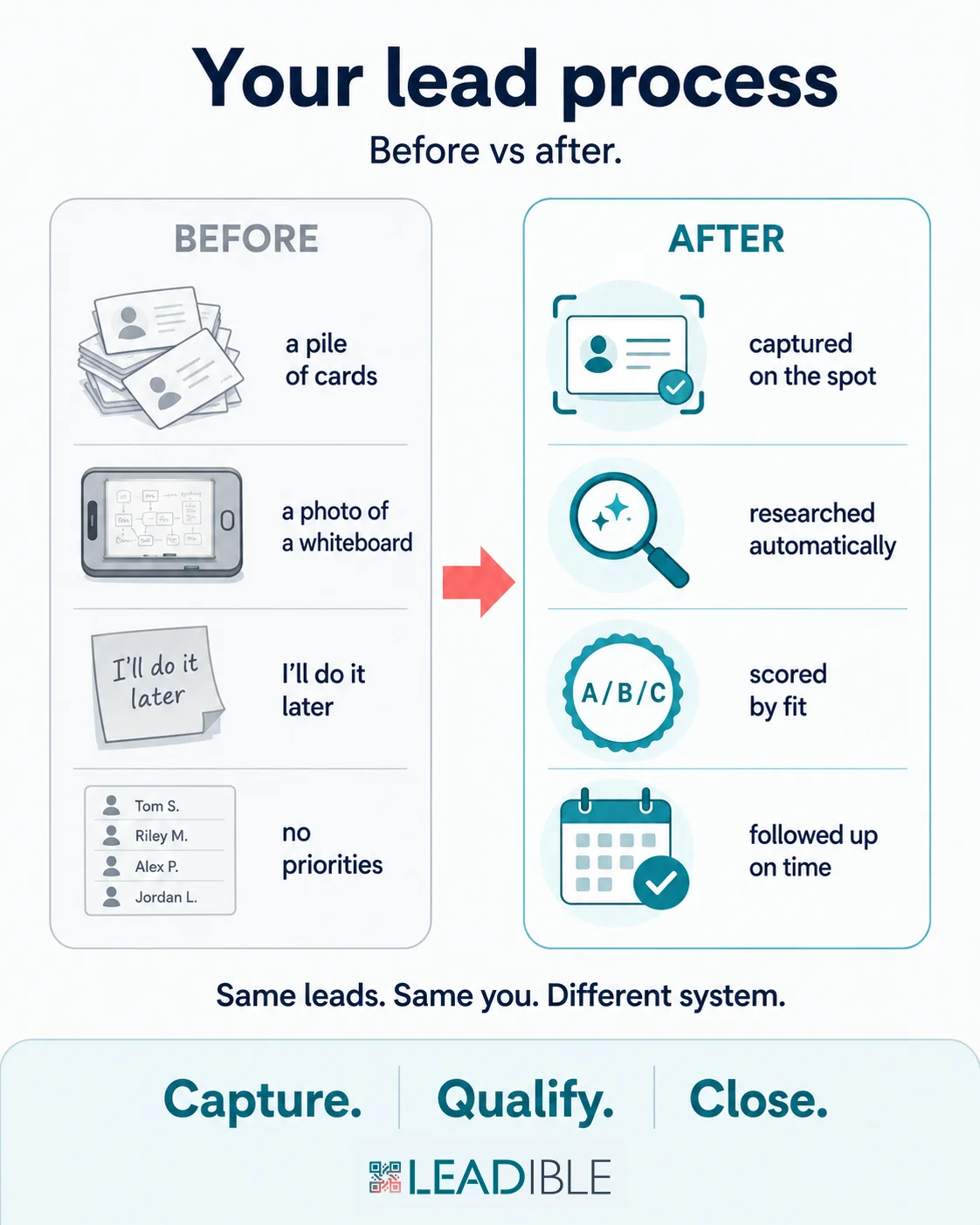
Four pieces are in the works while market testing continues.
Each ring is one area, scored out of 100. Click a ring to filter the tools. Each block is one tool, sized by how deep I go with it.